
Web3 Application
Development
Design understandable wallet and transaction journeys for applications that need to interact with blockchain networks.
Discuss your project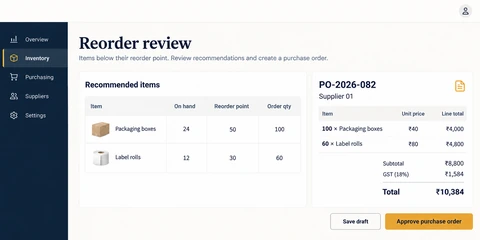
Web3 applications scope
Web3 usability depends on helping people understand what they are signing, which network they are using and whether an action has actually completed. Clear transaction states matter as much as the wallet connection button.
Wallet and account flows
Scope connection, disconnection, network changes and the boundaries between wallet identity and application accounts.
Transaction interfaces
Show proposed actions, confirmation progress and recoverable errors without implying that pending activity is complete.
Read models and services
Plan how contract data, indexing and conventional backend services support usable application screens.
Planning Web3 applications
- 1
Map the trust boundaries
Identify custody, supported networks, provider dependencies and which actions require a signature.
- 2
Test the full transaction journey
Exercise rejected signatures, disconnected wallets, wrong networks and delayed confirmations using test assets.
- 3
Prepare support and release guidance
Document supported wallets, transaction diagnosis and handling for provider or network failures.
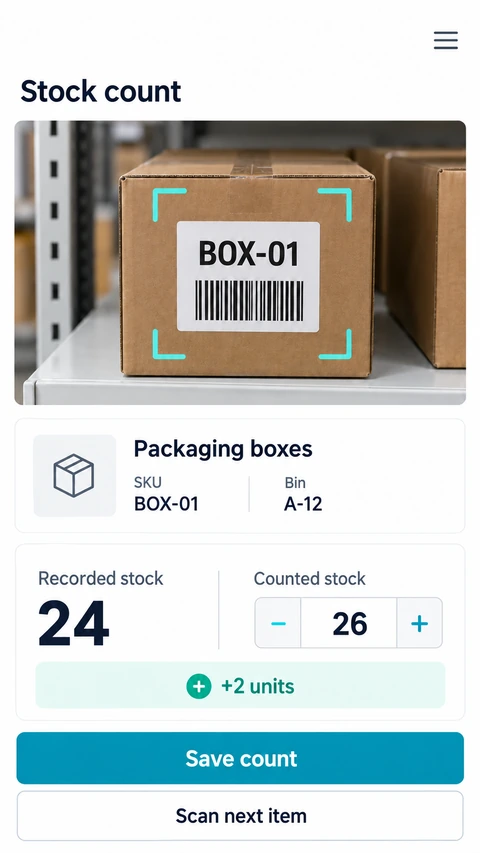
See the details.
Across every screen.
Explore the interface, then open any image at its original resolution.
Desktop experience
1 / 2Web3 applications
Scope, tradeoffs and preparation for your project.
Does a user need cryptocurrency for every action?
It depends on the network and transaction design. Fees and any sponsored-transaction arrangement should be explicit in the product scope.
Can you recover a user’s lost wallet?
Recovery depends on the wallet and custody model. A non-custodial application cannot assume control over a user’s private keys.
Is a Web3 app entirely on-chain?
Usually not. Interfaces, content and indexing often rely on conventional services whose reliability and access controls still matter.
How we would validate this scope
Agree the important success and failure paths before development. These proposed checks help turn the service description into a reviewable delivery brief.
- Rejected signatures, wrong networks and delayed confirmations have understandable states.
- A pending transaction is never presented as a completed business action.
- The interface explains the requested permission or action before the signature step.
- Wallet and provider outages preserve a usable recovery and support route.
Discuss your Web3 applications project.
Share your requirements so we can agree a focused scope, dependencies and the next useful step.