
Smart Contract
Development
Explore on-chain agreement logic only where shared execution or verifiable state provides a practical advantage over a conventional application.
Discuss your project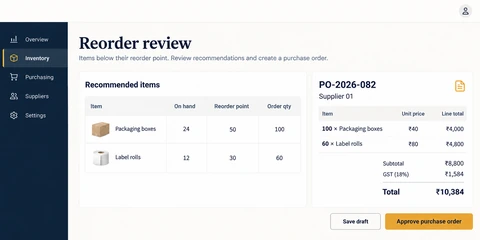
Smart contracts scope
Smart contracts introduce irreversible actions, transaction costs and key-management risks. Define the participants, trust assumptions and failure consequences before choosing a chain or writing contract logic.
Rules and state transitions
Model the permitted actions, ownership and conditions that move an agreement from one state to another.
Application integration
Plan transaction preparation, confirmation states and how the interface explains failures or rejected signatures.
Testing and review scope
Exercise permissions, edge cases and upgrade behaviour, with independent security review scoped separately where needed.
Planning smart contracts
- 1
Validate the need for on-chain execution
Compare a database and signed audit records with the proposed contract. Identify what must be independently verifiable.
- 2
Prototype with test assets
Review state transitions, roles and exceptional paths on a suitable test environment before any mainnet decision.
- 3
Plan operational control
Agree key custody, emergency procedures and the release-review responsibilities appropriate to the contract’s risks.
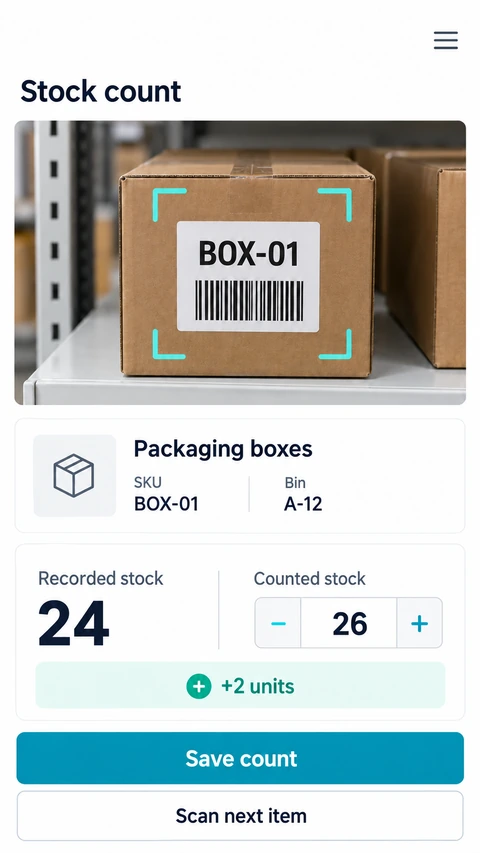
See the details.
Across every screen.
Explore the interface, then open any image at its original resolution.
Desktop experience
1 / 2Smart contracts
Scope, tradeoffs and preparation for your project.
Does development include a security audit?
An independent security audit is a distinct engagement unless explicitly included. Development testing is not a substitute for independent assurance.
Can a deployed contract be changed?
Only according to its design and governance. Upgrade mechanisms add their own trust and access risks.
Can blockchain guarantee the input is true?
No. On-chain execution cannot by itself verify that off-chain records or events are accurate.
How we would validate this scope
Agree the important success and failure paths before development. These proposed checks help turn the service description into a reviewable delivery brief.
- State-transition tests exercise forbidden callers, boundary inputs and repeated actions.
- Upgrade or emergency authority is explicit in the governance and key-management plan.
- The release records the scope of development testing separately from independent review.
- Off-chain assumptions are documented rather than presented as facts guaranteed by a ledger.
Discuss your smart contracts project.
Share your requirements so we can agree a focused scope, dependencies and the next useful step.